

Personalities Who Have Visited the Cave
For more than 70 years, La Cueva de La Rocío has welcomed visitors with flamenco culture and pure artistry in the heart of the Sacromonte. A visual journey through the people, moments and essence of La Cueva de La Rocío and the Maya family.
Our History
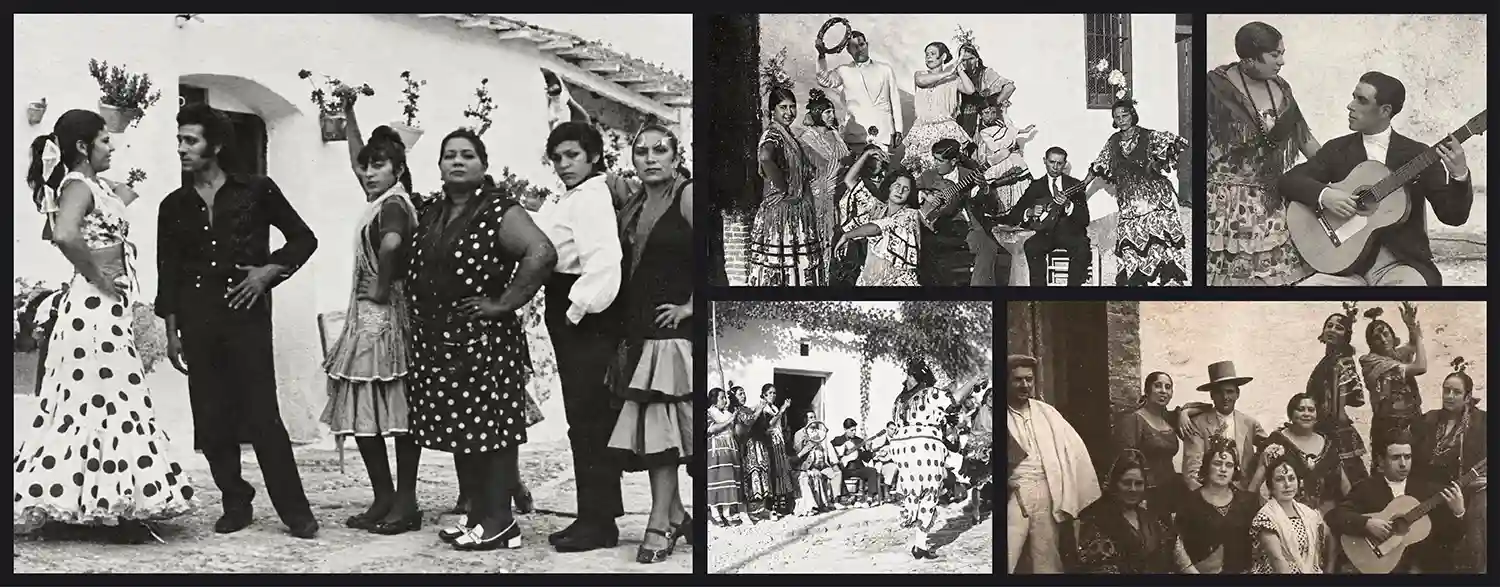
It all begins with Doña Rocío Fernández, the woman who gave La Cueva de La Rocío its name. A story closely linked to the Sacromonte, flamenco in Granada and a way of experiencing the zambra that has been passed down from generation to generation.
The Maya Family
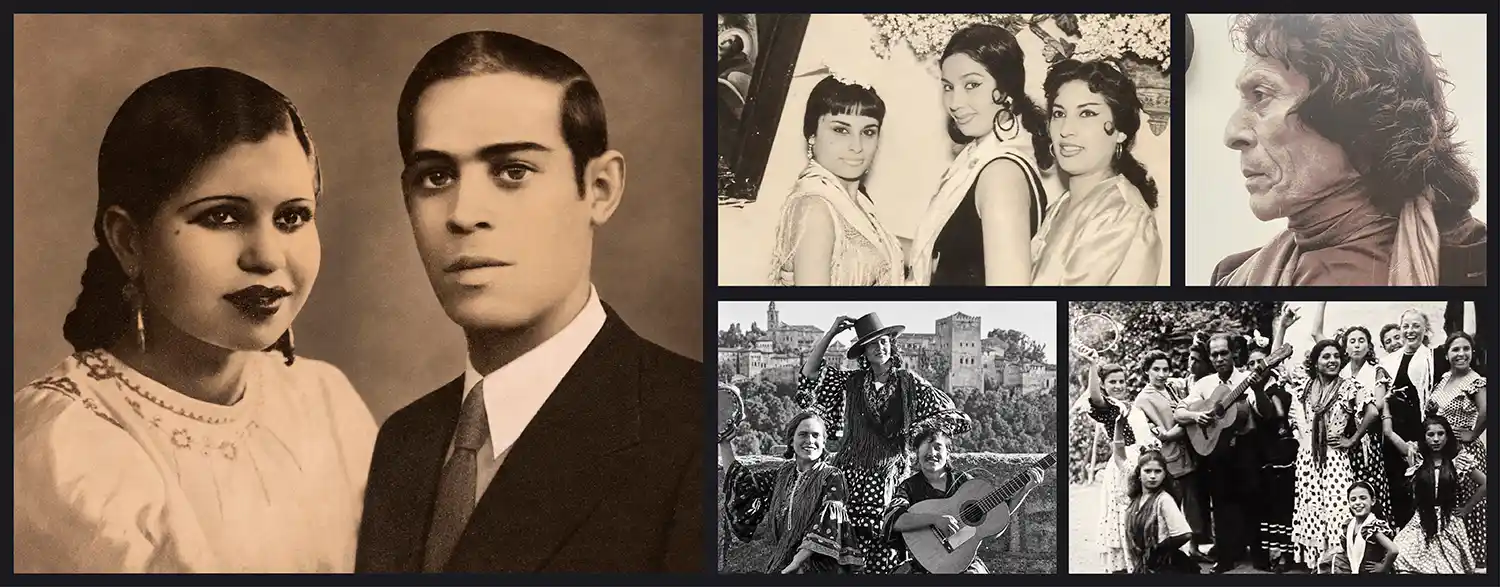
The story of the Maya family begins with Doña Rocío Fernández Bustamante and Don Andrés Maya Fajardo, forever linked to flamenco and the Sacromonte. Generation after generation, the Maya family has kept the essence of Granada’s flamenco zambra alive, with figures such as Salvadora Maya, Manolete, Juan Andrés Maya and many other great artists who have been part of La Cueva de La Rocío.
Historic Encounters
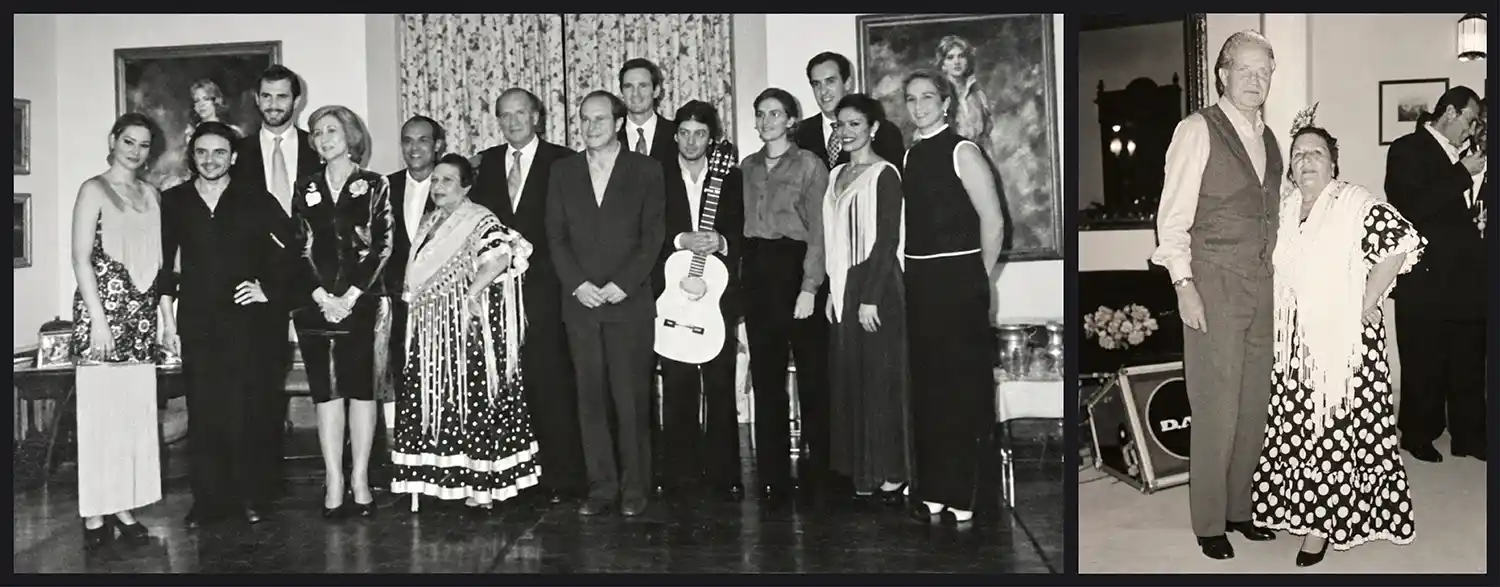
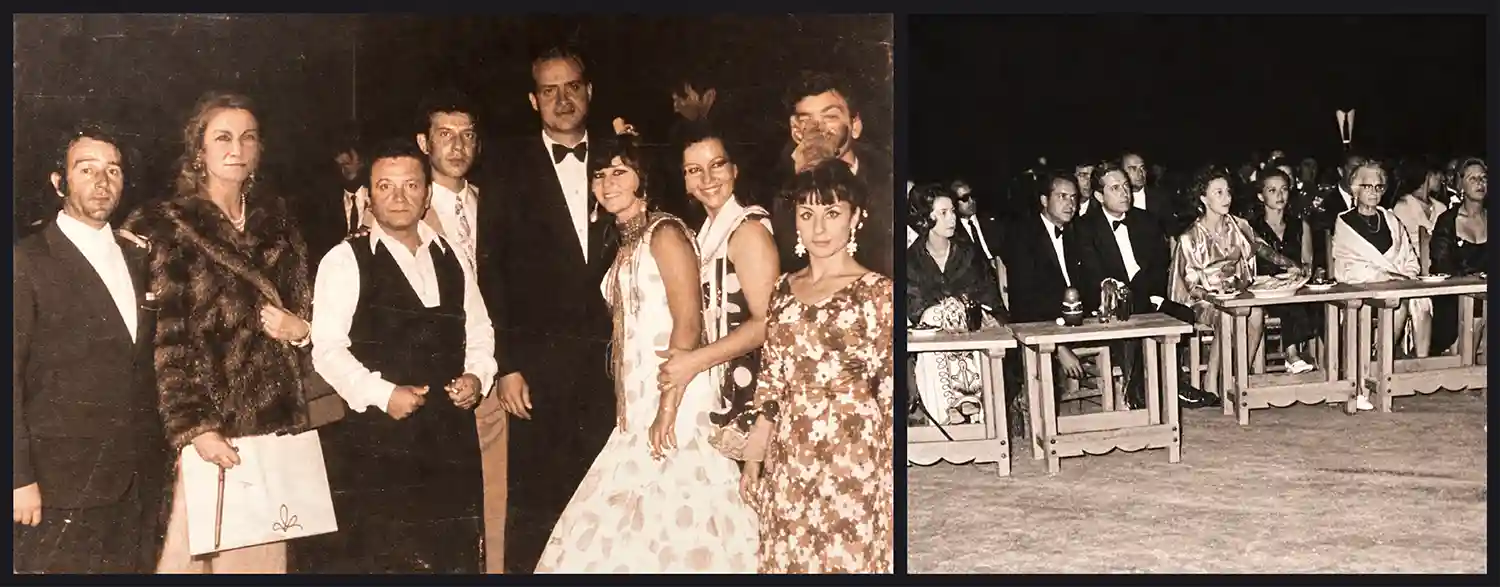
The flamenco of the Maya family has reached far beyond the walls of La Cueva de La Rocío. Throughout their history, its artists have taken part in performances and encounters with members of the Spanish Royal Family and other prominent personalities, bringing the zambra and the flamenco of the Sacromonte far beyond Granada.
The Maya Family and the Spanish Royal Family
The flamenco of the Maya family has featured in some of the most memorable encounters of its time. In this image, Salvadora Maya appears performing before King Juan Carlos I and Queen Sofía, now King and Queen Emeritus of Spain, in one of those moments that form part of the artistic history of La Cueva de La Rocío and Sacromonte flamenco.
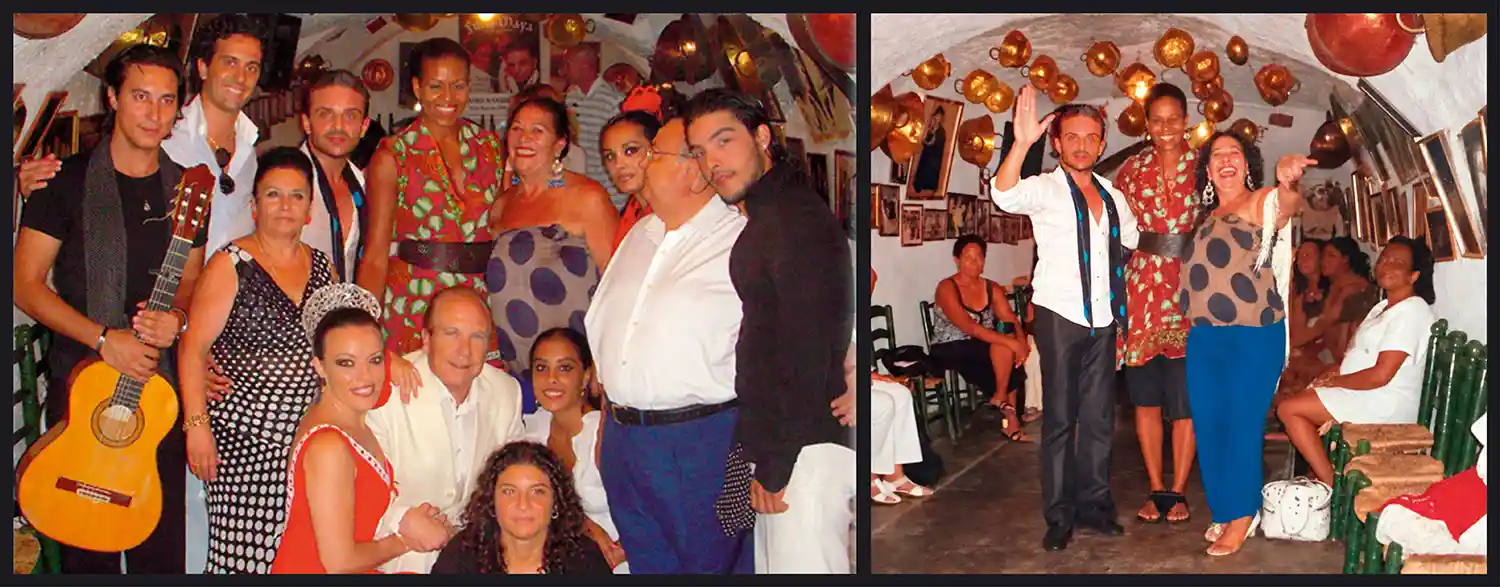
Michelle Obama at La Cueva de La Rocío
In August 2010, Michelle Obama visited La Cueva de La Rocío during her stay in Granada. Together with her daughter Sasha, she enjoyed a flamenco zambra performed by Juan Andrés Maya and members of the Maya family. The occasion attracted national and international media attention and has since become part of the history of this famous Sacromonte cave.
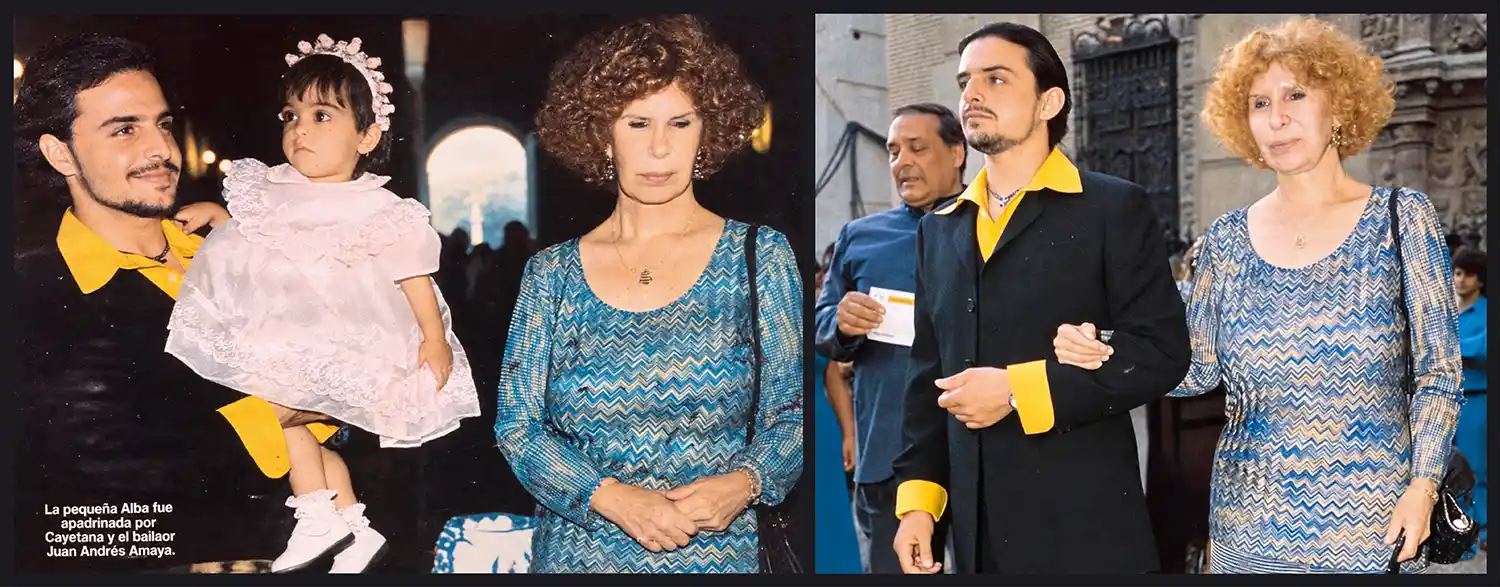
The Duchess of Alba and the Maya Family
The relationship between the Maya family and Cayetana de Alba also became part of Alba Heredia’s story. The Duchess of Alba was her godmother, sharing a special moment with Juan Andrés Maya and the family that now forms part of the more personal history of this Sacromonte flamenco dynasty.
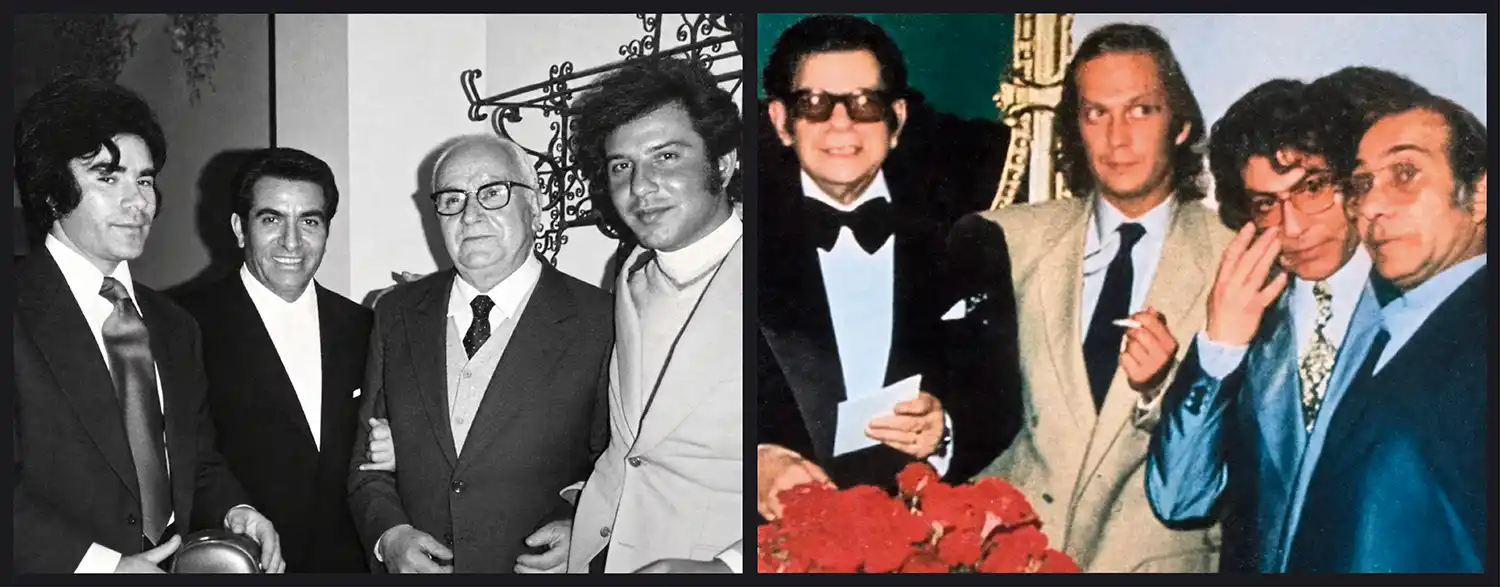
Masters of Flamenco Guitar
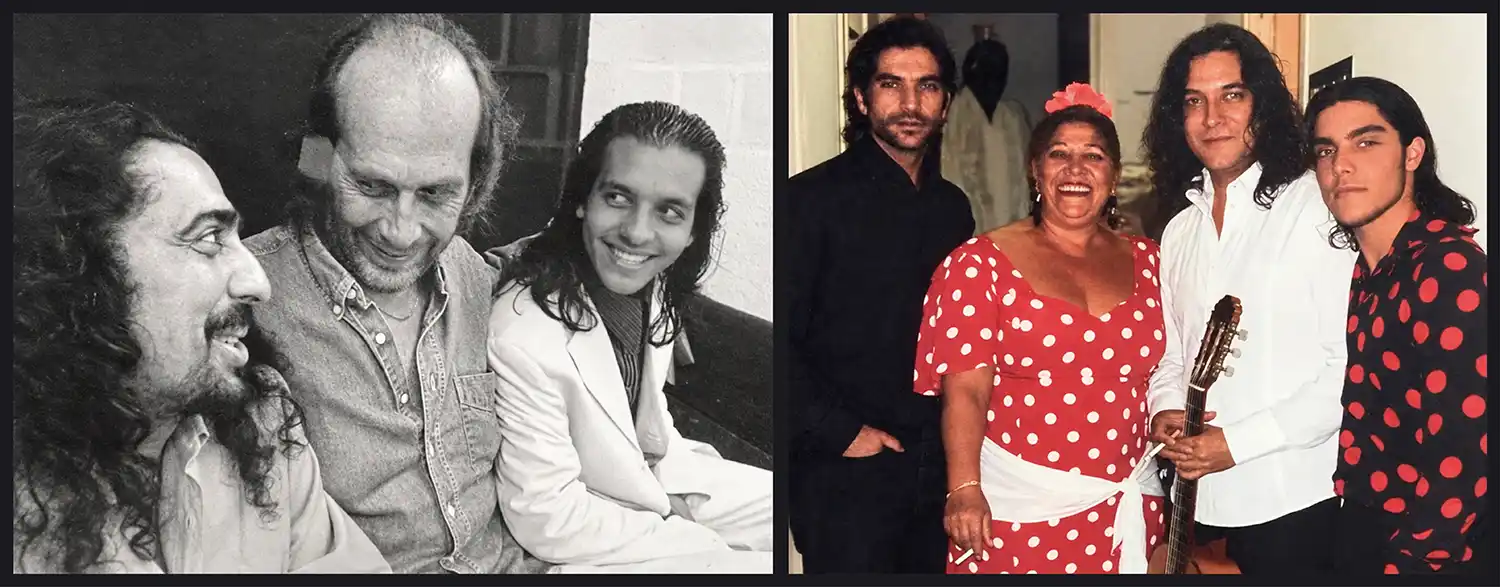
The history of the Maya family is also connected to some of the greatest names in flamenco guitar. Juan Maya “Marote” shared his generation and many encounters with masters such as Sabicas, Paco de Lucía and Juan Habichuela, essential figures in understanding the evolution of flamenco and Granada’s importance within this art form.
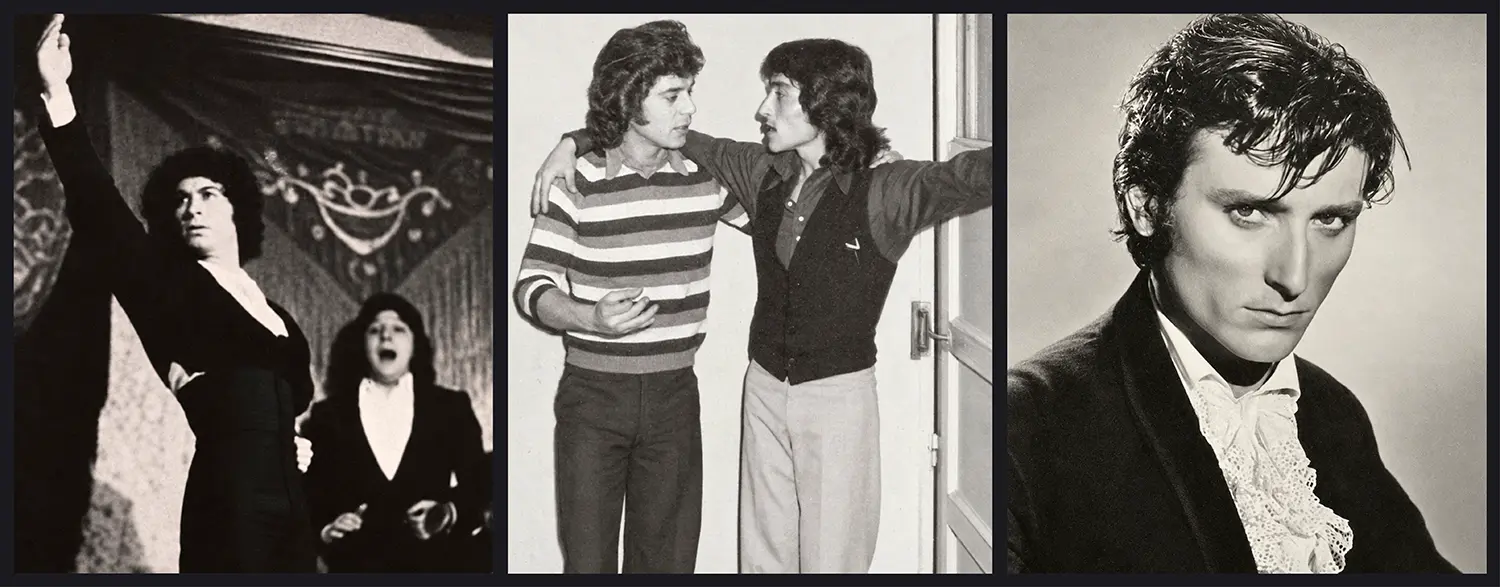
Figures Who Made Flamenco History
Mario Maya, Camarón de la Isla, Manolete and Antonio Gades belonged to a generation that was essential to the evolution of flamenco in Spain. Artists with very different careers, united by a period of extraordinary creativity, international recognition and transformation of flamenco dance and singing.
Flamenco Across Generations
Diego El Cigala, Paco de Lucía, Farruquito, Tomatito and Iván Vargas represent different generations of the same art form. Essential names in flamenco singing, guitar and dance who help us understand the international reach of Granada flamenco and the Maya family’s links with some of its most celebrated figures.
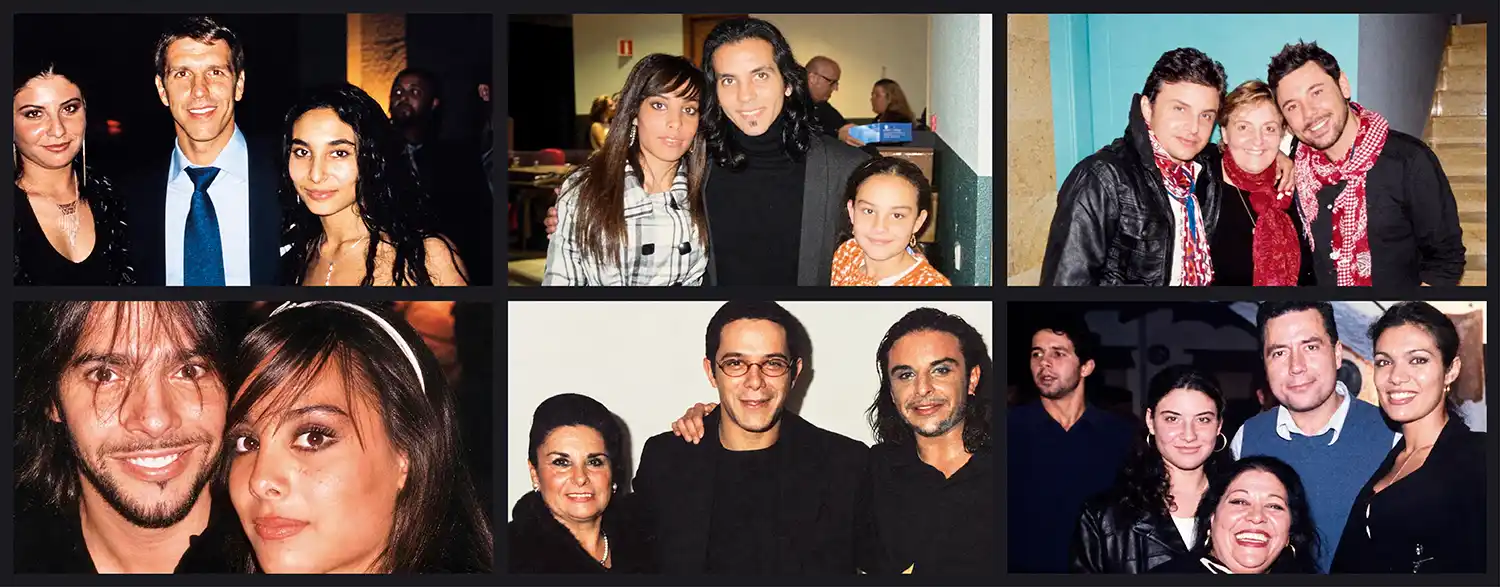
The Maya Family Alongside Great Figures
The history of the Maya family is also full of encounters with well-known figures from flamenco, music and popular culture. Manuel Díaz “El Cordobés”, Farruquito, Miguel Poveda, Joaquín Cortés, Alejandro Sanz and Pepe da Rosa appear alongside members of the family in images that form part of the more recent history of La Cueva de La Rocío and flamenco in Granada.
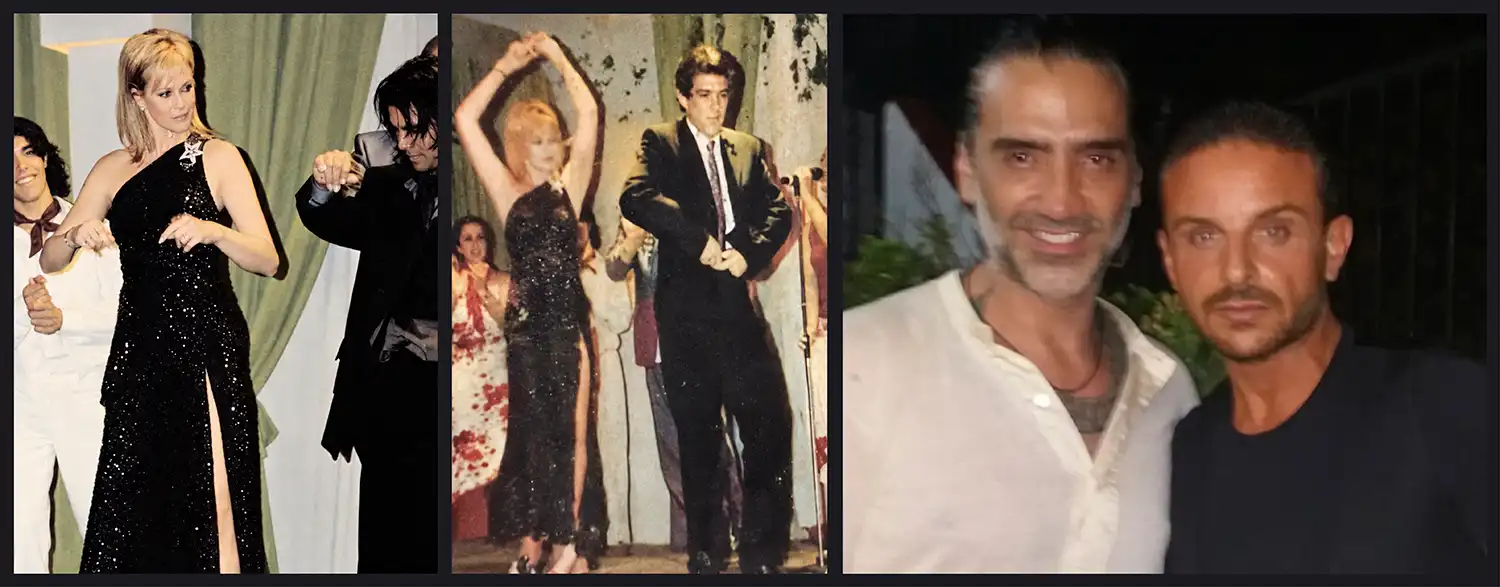
International Stars of Stage and Screen
The history of the Maya family has also been connected to major international figures from film and music. Melanie Griffith, Antonio Banderas and Alejandro Fernández appear at different moments alongside Juan Andrés Maya, reflecting how far the flamenco of the Sacromonte has travelled beyond Granada.
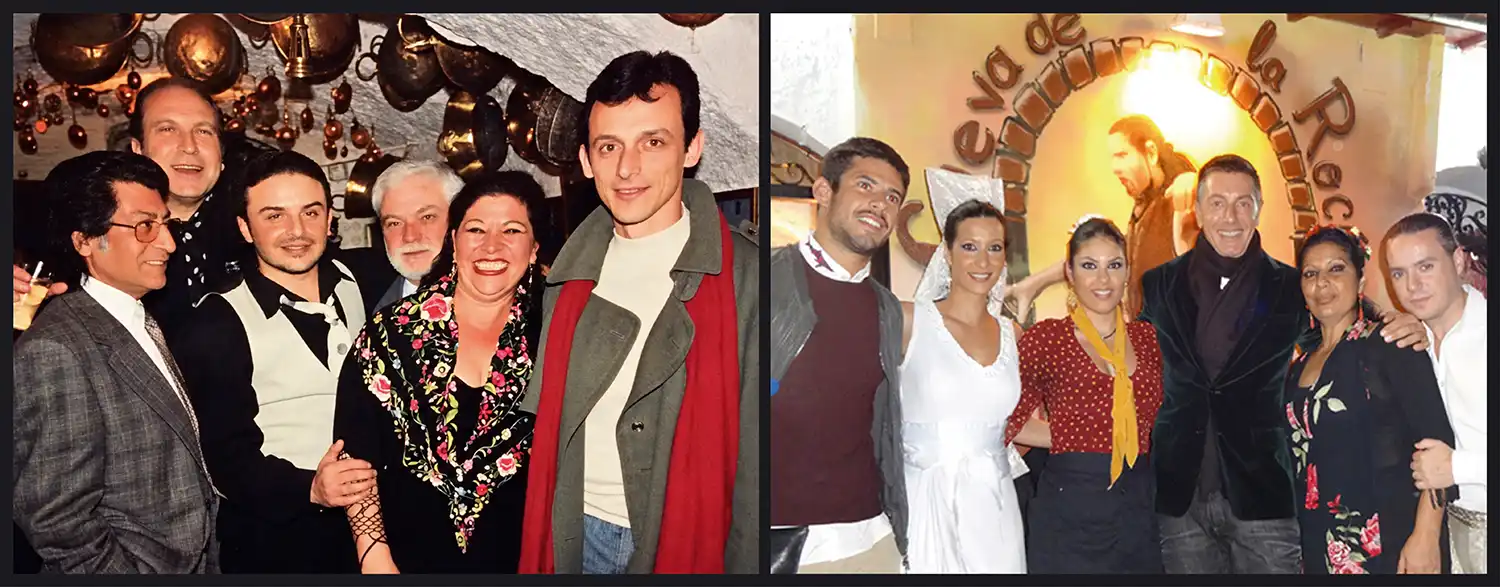
Personalities Who Left Their Mark
Throughout its history, La Cueva de La Rocío has welcomed personalities from many different fields. Pedro Duque, during a visit to Granada, and Stefano Gabbana, designer and co-founder of Dolce & Gabbana, are among those who have experienced flamenco and the traditions of the Sacromonte at La Cueva de La Rocío.
Between Tradition and the Present Day
The story of La Cueva de La Rocío continues to add new chapters. Flamenco dancer El Barullo has brought his art to the cave, while well-known personalities such as Ángel Gaitán have also visited this unique Sacromonte venue. Alongside them, names such as Rosa López and Juan Andrés Maya show how tradition, flamenco and the present day continue to come together at La Rocío.
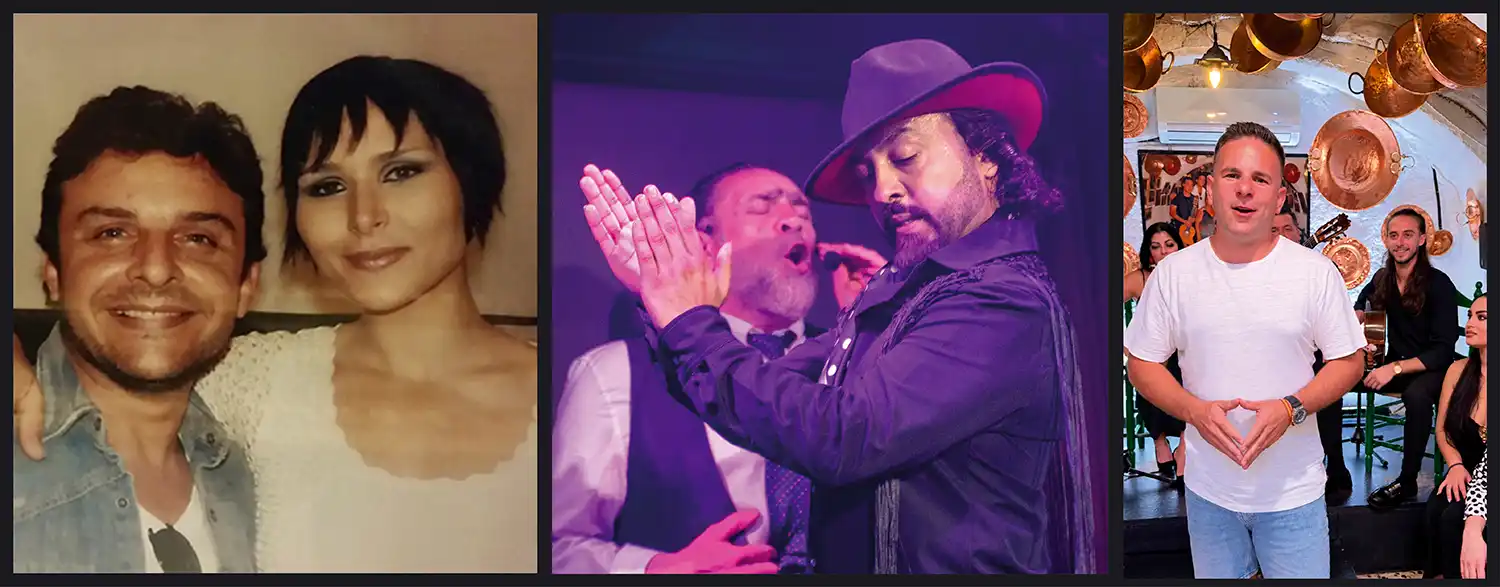
Flamenco as It Is Lived Today
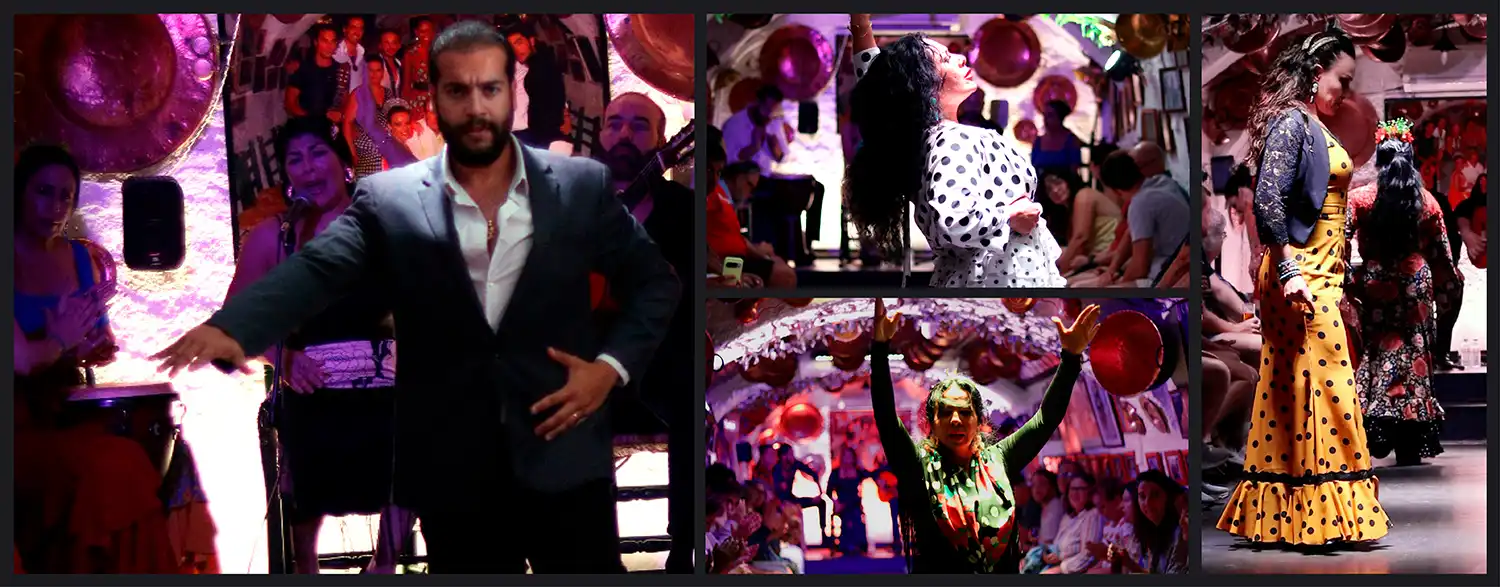
La Cueva de La Rocío continues to be the setting for nights of flamenco, zambra and encounters between artists and audiences. A contemporary look at the cave, its performances and the everyday life of this historic venue in the Sacromonte.
Contact La Cueva de La Rocío
La Cueva de La Rocío is located in the heart of the Sacromonte, one of Granada’s most iconic neighbourhoods and the birthplace of many great flamenco artists.
You can contact us with any questions, to make a booking or to request information about your visit.
Dirección
Camino del Sacromonte, 70. / 18010 Granada · España
How to Get to
La Cueva de La Rocío
La Cueva de La Rocío is located on Camino del Sacromonte, one of Granada’s most distinctive areas.
We do not recommend arriving in your own vehicle. The streets are narrow and some areas have traffic restrictions. The easiest ways to reach us are on foot from Granada’s historic centre, by taxi or by public transport.
From Plaza Nueva or Plaza Isabel la Católica, continue towards Paseo de los Tristes and walk up Cuesta del Chapiz. A few minutes later you will find the turn leading to Camino del Sacromonte.
Walking from Granada city centre usually takes around 20 to 25 minutes.


